
Lemongrass prevents the growth of certain bacteria and yeast. Additionally, it contains compounds that are useful in lowering blood sugar and cholesterol, reducing fever, cough, pain, and swelling. It also has antioxidant effects and promotes normal menstruation flow.
Botanical description
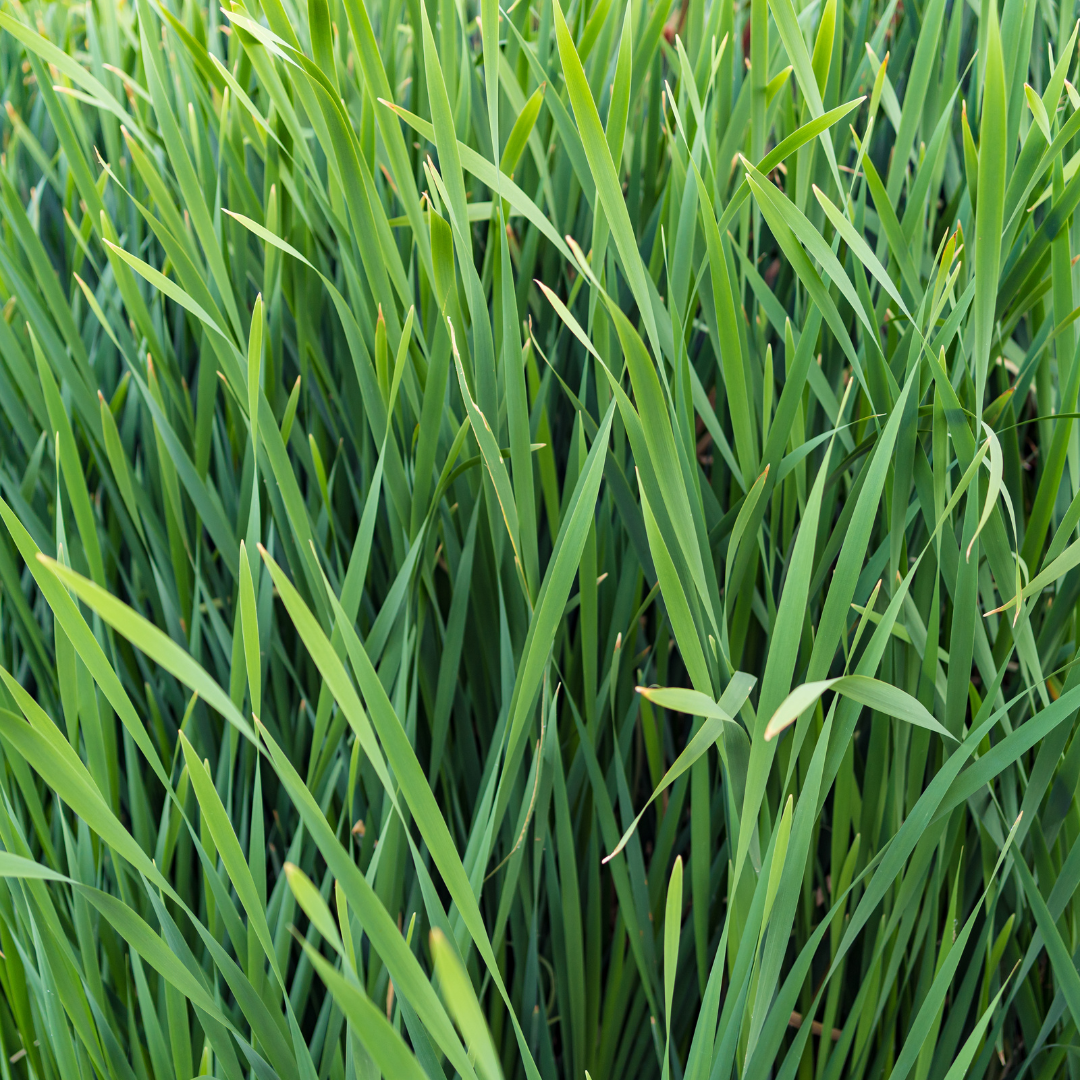
Lemongrass is a perennial grass with long, scented, bluish-green leaves. It is widely found in Asia and Africa.
More information
Lemongrass, botanically known as Cymbopogon citratus, gets its name from the distinct lemony fragrance released by its slender, grassy leaves when crushed. Native to tropical regions of Asia, particularly India and Sri Lanka, this aromatic herb thrives in warm, humid climates. Traditionally used in both Ayurvedic and folk medicine, lemongrass is valued for its ability to aid digestion, soothe inflammation, and act as a natural antimicrobial agent. Its essential oils are widely used in aromatherapy to reduce stress and uplift mood. Keep this plant in a location with ample sunlight. It is suggested to provide an adequate water supply and periodic application of fertiliser for better plant growth.


Address : Shop 2,3,4, Siddhivinayak Society, Dhoka Colony, Jeevan Nagar, Pimpri Chinchwad, Pune, Maharashtra 411033
© Copyright 2026 SUNAD GARDEN LLP. All Rights Reserved.
Made by Multia



4.png)